
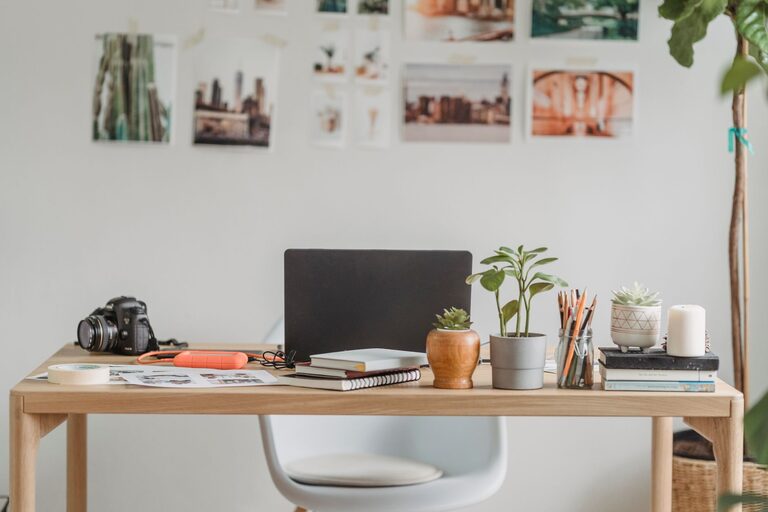
Creating a relaxing home office environment is essential for maintaining productivity, focus, and overall well-being—especially as more people work remotely or run businesses from their homes. A peaceful workspace not only helps reduce stress but also encourages creativity and efficient work habits. Whether you have a dedicated room or a small corner, making thoughtful changes can transform your work experience.
In this post, we’ll explore practical tips to create a calming, effective home office that supports your productivity.
Why a Relaxing Home Office Matters
A cluttered, noisy, or uncomfortable workspace can drain your energy and make it harder to concentrate. On the other hand, a relaxing workspace:
– Lowers stress levels
– Boosts motivation
– Encourages longer focus periods
– Enhances creativity and problem-solving
The goal is to design a space where you want to spend time and where your mind can settle into work mode.
Choose the Right Location
Pick a Quiet Spot
Try to find a space away from high-traffic areas and distractions. If you live with others or have children, a door or a screen divider can help create a peaceful boundary.
Consider Natural Light
Natural light is a great mood booster and reduces eye strain. Position your desk near a window if possible, but avoid glare on your computer screen. If natural light is limited, use full-spectrum lighting to mimic daylight.
Invest in Comfortable Furniture
Ergonomic Chair
A supportive chair encourages good posture and reduces back or neck pain. Look for adjustable options with lumbar support.
Proper Desk Height
Your desk should allow your elbows to be at a 90-degree angle when typing. Consider a height-adjustable desk if you want to alternate between sitting and standing.
Declutter and Organize
Keep Essentials Handy
Limit your desk items to what you frequently use—like your computer, phone, notebook, and perhaps a few personal items.
Use Storage Solutions
Shelves, filing cabinets, or drawer organizers help keep papers and supplies tidy. A clutter-free desk reduces stress and distractions.
Add Calming Elements
Use Soothing Colors
Colors like soft blues, greens, and neutrals create a calming atmosphere. Avoid overly bright or harsh colors in your workspace.
Bring in Plants
Indoor plants improve air quality and add a touch of nature, which can be relaxing and motivating.
Incorporate Personal Touches
Adding photos, artwork, or meaningful objects can make your office feel welcoming without overwhelming your space.
Control Noise and Sound
Use Noise-Cancelling Headphones
These can help block distracting sounds, especially in shared or noisy environments.
Play Ambient Music or White Noise
Low-volume instrumental or nature sounds can improve concentration for many people.
Manage Technology Wisely
Set Up Efficient Tech
Organize cables to avoid tangling and potential hazards. Use a wireless mouse and keyboard to increase ease of movement.
Minimize Screen Glare and Eye Strain
Adjust screen brightness and use blue light filters or glasses to protect your eyes.
Establish a Routine and Boundaries
Set Work Hours
Having clear work hours helps your mind transition in and out of work mode.
Take Breaks
Incorporate short breaks to stretch, hydrate, or relax your eyes. A calm workspace should remind you that downtime is part of productivity.
Maintain Cleanliness
Regularly dust, vacuum, and wipe down surfaces. A clean environment feels more inviting and can lift your mood.
Final Thoughts
Creating a relaxing home office doesn’t require a large budget or drastic renovation. Small changes like choosing the right chair, adding plants, and keeping your space organized can make a big difference in your workday comfort and productivity. Over time, pay attention to what makes you feel calm and focused, and adjust your space accordingly.
Remember, your home office is a place to foster productivity but also well-being. With the right environment, you can enjoy your work and achieve your goals.