
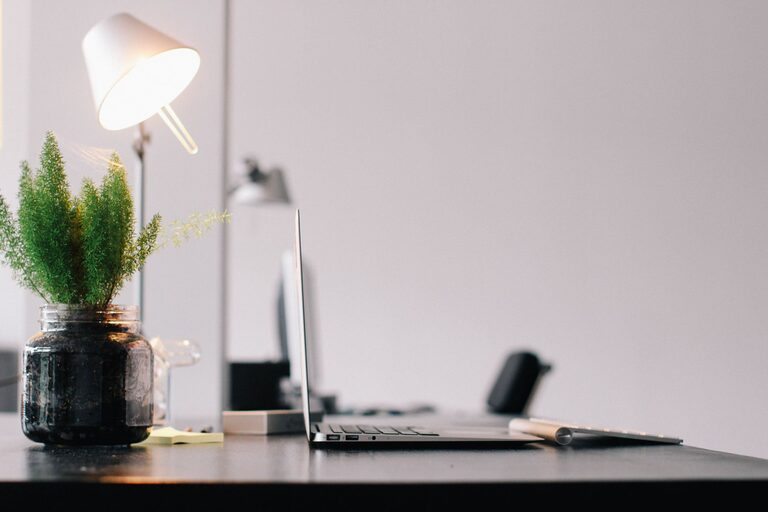
Creating a productive home office environment is essential for anyone working remotely or juggling tasks from home. A well-designed workspace can enhance focus, reduce distractions, and improve overall work performance. Whether you’re setting up your first home office or looking to improve an existing one, these practical tips will help you create a space that supports productivity and comfort.
1. Choose the Right Location
Selecting the right spot for your home office is the first step in setting up a productive workspace.
– Quiet Area: Find a space away from high-traffic zones like the kitchen or living room to minimize noise and distractions.
– Natural Light: Position your desk near a window if possible. Natural light boosts mood and alertness, reducing eye strain.
– Space Requirements: Ensure there’s enough room for essential furniture, equipment, and storage without feeling cramped.
2. Invest in Ergonomic Furniture
Comfort plays a key role in productivity. Sitting for long hours can strain your body, so ergonomic furniture is a smart investment.
– Adjustable Chair: Choose a chair with good lumbar support that you can adjust for height and recline.
– Desk Height: Your desk should allow your elbows to rest at a 90-degree angle when typing.
– Monitor Placement: Position your monitor at eye level to prevent neck strain.
3. Optimize Lighting
Proper lighting reduces eye fatigue and keeps you energized throughout the workday.
– Combine Natural and Artificial Light: Use natural light during the day, supplemented with adjustable desk lamps for focused tasks.
– Avoid Glare: Position your computer screen perpendicular to windows to reduce glare.
– Warm vs Cool Light: Cooler light bulbs (around 4000-5000K) are generally better for focus and alertness.
4. Minimize Clutter and Organize Supplies
A tidy space helps your mind stay clear and focused.
– Storage Solutions: Use shelves, drawers, or bins to keep items organized and off your desk.
– Essential Supplies: Keep frequently used tools within reach to minimize interruptions.
– Daily Cleanup: Spend a few minutes at the end of each day tidying your workspace.
5. Use Technology Wisely
Technology is a major part of the home office, but it’s important to balance convenience with avoiding distractions.
– Reliable Internet: Invest in high-speed internet to keep your workflow smooth.
– Noise-Canceling Headphones: These can help block out ambient noise, especially if your home is busy.
– Productivity Apps: Tools like task managers and calendars keep you organized and on track.
6. Personalize Your Space
Adding personal touches can make your workspace more inviting and motivating.
– Plants: Indoor plants improve air quality and add a calming element.
– Artwork: Display inspiring or calming images.
– Comfort Items: A cozy cushion, footrest, or favorite mug can make breaks more enjoyable.
7. Establish Boundaries and Routine
Creating clear boundaries between work and home life improves focus during work hours.
– Set Work Hours: Define when your workday starts and ends to avoid burnout.
– Communicate Boundaries: Let family or housemates know your schedule to minimize interruptions.
– Breaks and Movement: Schedule regular breaks to stretch and rest your eyes — your body will thank you later.
8. Control Noise and Distractions
Minimizing background noise and interruptions is crucial for deep work.
– Soundproofing: Use rugs, curtains, or foam panels if noise is a problem.
– White Noise: A fan or white noise machine can help drown out distractions.
– Do Not Disturb: Consider a “Do Not Disturb” sign or app status during focused work times.
9. Keep Healthy Habits in Mind
Your workspace should support not just productivity but your overall well-being.
– Hydrate: Keep a water bottle at your desk to stay hydrated.
– Healthy Snacks: Stock up on brain-boosting snacks like nuts and fruits.
– Movement: Incorporate standing desks or take walking breaks to keep active.
—
Creating a productive home office environment takes some planning and experimentation. Tailor these tips to your personal needs and preferences, and remember that the goal is to build a space where you can focus, feel comfortable, and maintain balance throughout your workday. With a few adjustments and thoughtful organization, your home office can become your most effective workspace yet.